Type and hit enter...
About
About the INBT
Contact Information
Frequently Asked Questions
Resources
People
Core Researchers
Associate Researchers
Affiliate Researchers
Research Faculty
Administrative Team
Research
Engineering for Cancer Therapies
Diagnostic Tools Engineered for Early Detection
Stem Cells and Regenerative Engineering
Process Engineering at the Nanoscale
Education
NanoBio Research Experience for Undergraduates Summer Program
Masters Industry Co-Op Education Program
Nanotechnology for Cancer Research Fellowship
Past Programs
Rosetta Commons REU
International Research Experience for Students (IRES)
Translation
Translational Research News
Corporate Partnerships
Licensing Opportunities
Start-up Companies
Media
News
Publications
Events
The Nano-Bio Symposium
Calendar
Support the INBT
About
About the INBT
Contact Information
Frequently Asked Questions
Resources
People
Core Researchers
Associate Researchers
Affiliate Researchers
Research Faculty
Administrative Team
Research
Engineering for Cancer Therapies
Diagnostic Tools Engineered for Early Detection
Stem Cells and Regenerative Engineering
Process Engineering at the Nanoscale
Education
NanoBio Research Experience for Undergraduates Summer Program
Masters Industry Co-Op Education Program
Nanotechnology for Cancer Research Fellowship
Past Programs
Rosetta Commons REU
International Research Experience for Students (IRES)
Translation
Translational Research News
Corporate Partnerships
Licensing Opportunities
Start-up Companies
Media
News
Publications
Events
The Nano-Bio Symposium
Calendar
Support the INBT
About
About the INBT
Frequently Asked Questions
Contact Information
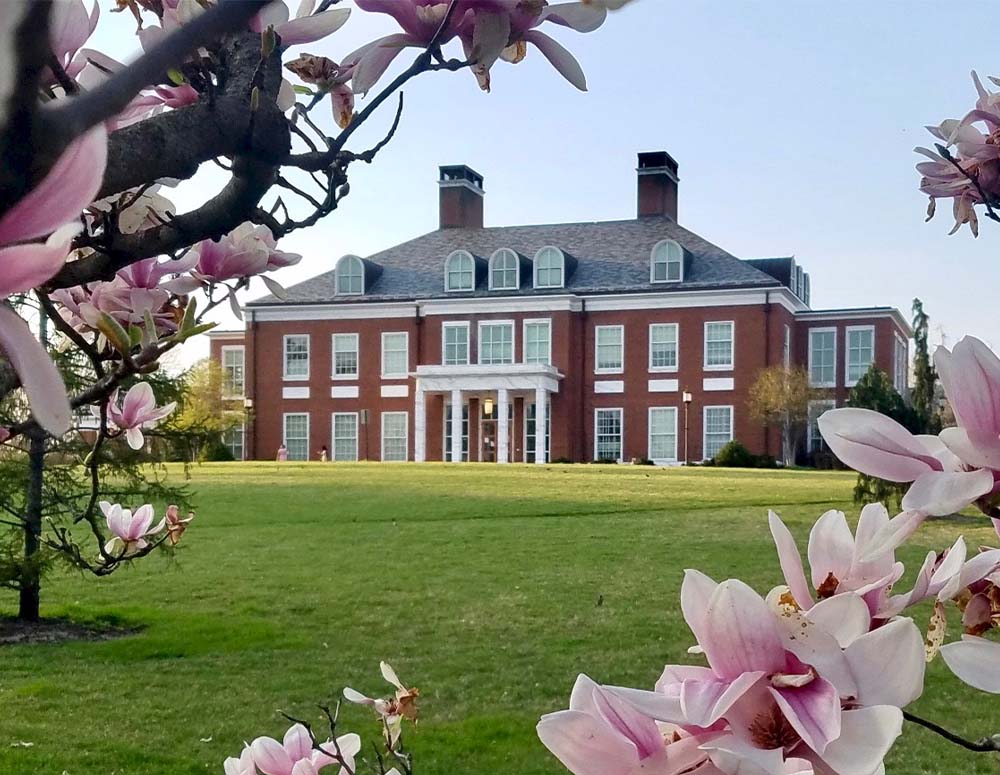
Baltimore is Home